

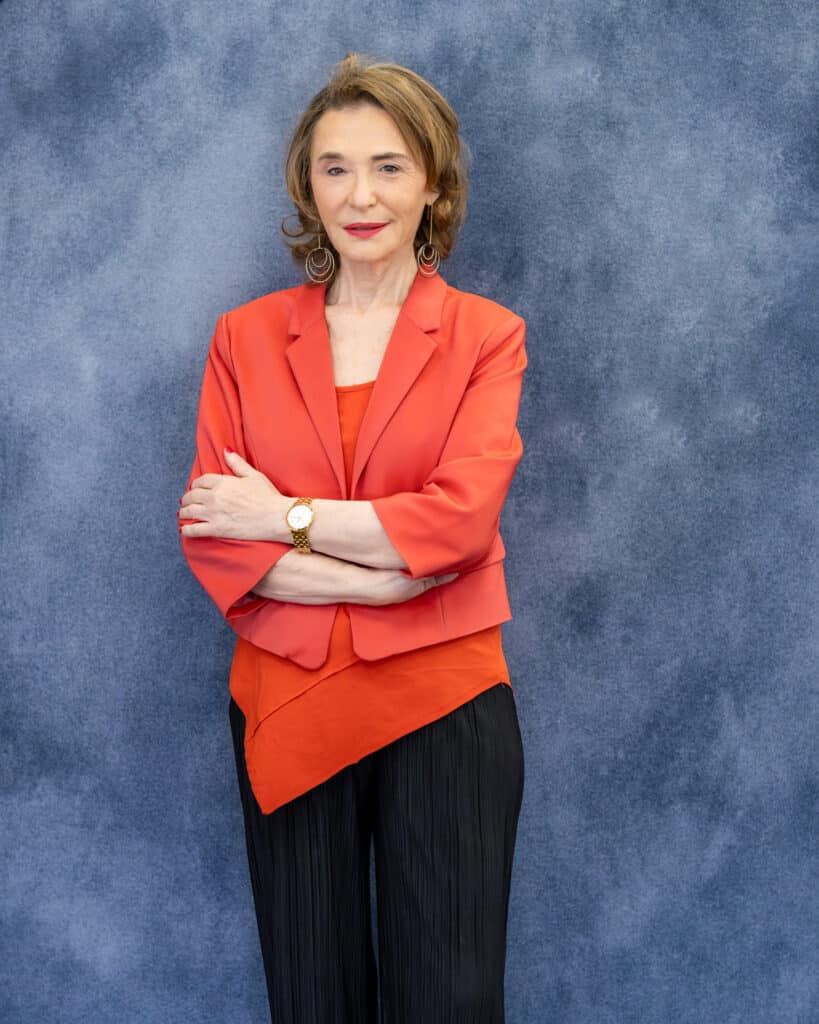
שם: ליאת קוליק
כתובת מגורים: הרב ישעיהו משורר 25/24 פתח תקוה
מספר טלפון סלולרי: 0549983090
דוא״ל: kulik.liatgmail.com
| תואר | התמחות | המוסד האקדמי | שנת קבלת התואר | הארץ בה נרכש |
| דוקטור | סוציולוגיה | אוניברסיטת בר אילן | 1993 | ישראל |
| מ.א. | מדעי ההתנהגות והניהול | טכניון -חיפה | 1981 | ישראל |
| ב.א. | פסיכולוגיה | אוניברסיטת בר- אילן | 1977 | ישראל |
| תאריך דרגה | דרגה | מוסד |
| 2022 | פרופ' מן המניין | מכללת נתניה |
| 2016 | פרופ' מן המניין | אוניברסיטת בר אילן |
| 2003 | פרופ' חבר | אוניברסיטת בר אילן |
| 1999 | מרצה בכיר | אוניברסיטת בר אילן |
| 1996 | מרצה | אוניברסיטת בר אילן |
| 1992 | מדריך ד"ר | אוניברסיטת בר אילן |
| שנה | הכינוס | מקום | נושא ההרצאה |
| 2025 | Annual Sociological Conference: Border spaces and contact zones in Israeli social reality and research | The Open University, Ra'anana, Israel | Between him and her: The contribution of social support and interpersonal communication quality to explaining the mental health of combatants’ partners during the “Swords of Iron” War |
| 2024 | The Biennial Conference of the Israeli Gerontological Society | International Convention Center (Binyanei Ha'Uma), Jerusalem. | An Ecological Model for Explaining the Relationship Between Power Centers and Mental Health: A Comparative Analysis of Male and Female Retirees. |
| 2023 | Gender and Sexuality Studies | Budapest, Hungary | Stressors in the Work-Family System and Negative Affect: A Comparison between Ethnic Communities and Genders. |
| 2023 | the 54th Annual Conference of the Israel Sociological Association, | Tel Aviv University, Tel Aviv. | Stressors in the work-family system and mental distress in a sectoral and gender perspective: A comparative analysis between non-Orthodox, Orthodox, and Arab Jews, and between men and women. |
| 2018 | Gendered perceptions of aging | San Francisco, CA. | How old is old? |
| 2018 | 39th STAR Conference | Lublin, Poland | Stressors at the Work-Family Interface and Satisfaction with the Quality of Spousal Relations |
| 2017 | The 19th National Conference of Social Workers: Power and Empowerment. | Tel Aviv, Israel | Father's attitudes toward psychological treatment in the midst of transition to fatherhood: A comparative research between heterosexual and homosexual fathers. |
| 2017 | The 19th National Conference of Social Workers: Power and Empowerment | Tel Aviv, Israel | Spousal Conflict Resolution Strategies and Marital Relations in Late Adulthood |
| 2017 | 6th Business and Social Science Conference | Dubrovnik, Croatia.
|
A Comparative Analysis between Active and Supportive Parenting Stages |
| 2016 | 16th Annual International Conference on Global Studies: Business, Economic, Political, Social and Cultural Aspects | Athens, Greece | Explaining Employment Hardiness among Women in Israel’s Ultra-Orthodox Community: Facilitators and Inhibitors |
| 2016 | ICPEHSS 2016: International Conference on Psychological, Educational, Health and Social Sciences (Chairman). | Vienna, Austria | Correlates of Work-Family Role Conflict and Well-Being: A Comparative Analysis by Gender |
| 2016 | Second Sarajevo International
Conference of Social Sciences |
Bosnia and
Herzegovina |
Work-Home Conflict, Antecedents, and Outcomes: A Life Stage
Perspective among Working Parents in Israel |
| 2016 | Conference on Social Sciences and Humanities | Prague, Czech Republic | The Contribution of Role Satisfaction, Meaning in Life and Role Conflict to
Explaining Well-Being Among Working Grandparents |
| 2015 | The 36th Annual Conference of the Stress and Anxiety Research Society (STAR) | Tel Aviv, Israel | Gender Differences in Role Conflict and Well-Being among Working Parents; and Gender Differences among Volunteers in Operation Protective Edge |
| 2014 | The conference of Social Trends in Fatherhood | Ramat Gan, Israel | Multiple Roles, Role Quality and Role Conflict: A Comparative Analysis of Fathers and Mothers, By Life Stages |
| 2014 | Challenges for the Welfare State. ESPANET | Tel Aviv, Israel | Employability among Working Orthodox Women: Inequality Poverty and Exclusion |
| 2014 | The 20th Biannual Conference of the Israeli Association of Gerontology | Tel Aviv, Israel | Multiple Roles and Role Conflict: A Life Span Perspective |
| 2013 | 34th STAR International Conference – Stress and Anxiety Research Society. | Faro, Portugal.
|
Role Satisfaction and Meaningfulness in Life among Working Parents – The Israeli Case and Profiles of Conflict Resolution Strategies among Married Individuals and Their Marital Quality |
| 2012 | 33rd STAR International Conference – Stress and Anxiety Research Society | Palma de Mallorca, Spain | Role Set Density and Role Conflict among Working Mothers: Is There a Distress Effect". |
| 2011 | Conference of Social Policy in Israel | Yezreel Valley, Israel | Work Perceptions and Psychological Empowerment among Ultra-Orthodox Women. |
| 2010 | Online teaching methods conference | Ra'anana, Israel | Scholastic Achievement and Quality of Teaching in an On-Line Course versus a Frontal Course: A Comparative Analysis |
| 2010 | International Conference
On Humanities and Social Sciences. (Chairman)
|
Paris, France. | Explaining Gender Role Ideology among Muslim-Arab Women in Distress |
| 2010 | The conference of the Forum for Social Policy Research in Israel | Ramat Gan, Israel | Does Control of Resources Necessarily Create Active Coping? A Comparative Analysis of Jewish and Arab Women |
| 2009 | Employment and Education conference | Technion, Haifa. | Issues Related to Gender, Employment and Education among Arab Women in Israel |
| 2009 | The Second ENSEC Conference | Izmir, Turkey | Predicting Responses to Volunteering among Adolescents in Israel Situational variables and Explaining the Sense of Family Coherence among Adolescents: The Israeli Case |
| 2008 | Conference on the Psychology of Gender, Society and Art | Jezreel Valley, Israel | Perceptions of Family Coherence: Differences between Husbands and Wives |
| 2006 | The 4th World Conference | Oslo, Norway | Does Gender and Employment Status Affect Burnout in Volunteering? The Importance of Research and Development for Promotion and Prevention |
| 2006 | The International Federation of Social Workers | Munich, Germany | Predicting Gender Role Attitudes Among Mothers and their Adolescent Daughters in Israel; and Predicting Responses to Volunteering among Adolescents in Israel: The Contribution of Personal and Situational Variables |
| 2006 | Conference on Conflict Resolution and Negotiation | Ramat Gan, Israel | The Impact of Personality Traits and Gender on Conflict Resolution Styles |
| 2006 | The Israeli Sociological Conference | Ramat Gan, Israel | An Ecological Model for Predicting Gender Role Attitudes among Spouses |
| 2005 | First Scientific Conference on Youth in a Changing World | Tel Aviv, Israel | Predicting Gender-Role Stereotypes among Adolescents on the basis of Personality Variables and Intergenerational Transmission |
| 2005 | Conference on Community Work and Family Change and Transformation | Manchester, England | Relationships between Dual Earner Spouses: Strategies for Coping with Home-Work Demands and Emotional Well Being among Jewish and Arab-Muslim Women in Israel |
| 2004 | The Second International Conference on New Directions in the Humanities | Prato, Italy | Strategies for Managing Home-Work Conflict and Psychological Well-Being among Jews and Arabs in Israel: The Impact of Sex and Socio-Cultural Context. |
| 2004 | Conference on Spousal Relations and Strategies for coping with Home-Work Conflict | Haifa, Israel | Social Work and Social Trauma |
| 2001 | The 14th biannual Conference of the Israeli Association of Gerontology: Between Values and Needs | Tel-Aviv, Israel.
|
Spousal Relations in Late Adulthood: A Comparative Analysis of Different Family Patterns in Retirement |
| 2001 | Brookdale Institute Symposium on Volunteering in Education | Ramat Gan, Israel | The Motivations of Older Volunteers”. |
| 2000 | A Symposium of Eshel, The Association for the Planning and Development of Services for the Aged in Israel | Ramat-Gan, Israel | Aliya and Immigration as a State of Crisis |
| 2000 | The 15th Annual Conference of the National Council of the Social Workers: Social Work: One Profession of Many Facets | Tel-Aviv, Israel.
|
The Effects of Unemployment on Marital Relations”. |
| 2000 | Conference of the National Council for Voluntarism in Israel: Volunteering in Times of Crisis. | Tel-Aviv, Israel | The Impact of Retirement on Attitudes toward volunteering |
| 2000 | The Israeli Conference of Social Workers, | Tel-Aviv, Israel | Attitudes towards Caregiving |
| 2000 | Conference of Social Workers | Tel-Aviv, Israel | The Impact of Length of Unemployment and Age on Jobless Men and Women: A Comparative Analysis |
| 2000 | The Israeli Conference of Sociologists | Tel-Aviv, Israel | Marital Relationships in Late Adulthood |
| 1999 | The Israeli conference of Sociologists | Rishon Lezion.
ISRAEL |
Differences between Men and Women in Job Search Intensity and Reactions to Unemployment |
| 1999 | Conference of Women in Academia, | Ramat-Gan, Israel | Stress and Burnout among Working Women |
| 1997 | Conference of Social Workers | Tel-Aviv, Israel | The Influence of Retirement on Conjugal Power |
| 1995 | Conference of Psychologists | Ramat-Gan, Israel | The influence of ethnic culture and gender on attitudes towards Work |
| 1995 | Conference of Sociologists | Haifa, Israel | Changes in the conjugal balance of power after retirement |
| 1995 | Conference of psychologists | Ramat-Gan, Israel | The organizational climate of schools |
| שנה | המוסד המעניק | עבור מה | הסכום שהוענק |
| 1997 | National Insurance Institute | Gender Differences in the Intensity of Work-Seeking | 45,000 NIS |
| 1997 | National Insurance Institute | Impact of Retirement on Spousal Power Relations: A Comparative Analysis of Men Versus Women | 60,000 NIS |
| 2001 | National Insurance Institute | Background, Situational, and Personality Variables that Predict Persistence versus Burnout among Volunteers | 85,000 NIS |
| 2009 | National Insurance Institute | Sense of Empowerment, Life Values, and Work Centrality among ultra-Orthodox Women in the Labor Market | 120,000 NIS |
| 2010 | Brandeis Institute, United States | Empowerment of Women: A Comparative Analysis of Married Women and Single Mothers | 1,000$ |
| 2012 | Gandyr Foundation | "Key to Employment" – Development of a Vocational Assessment Tool for Youth in Israel | 90,000 NIS |
| 2014 | National Insurance Institute of Israel | "Difficulty Can Yield Empowerment": An Ecological Approach to Empowerment and Sense of Meaning in Life among Volunteers with Disabilities | 76,630 NIS |
| 2015 | National Insurance Institute of Israel | Learning from Success: Resourcefulness among Single Mothers Who Rose Above Poverty | 83,000 NIS |
| 2018 | National Insurance Institute of Israel | Stress at work and in the work – family system and spousal aggression | 80,000 NIS |
| 2019 | Ministry of Science and Technology | Volunteering during Emergencies | 35,000 NIS |
| 2020 | Impact Center for the Study of Ageism and Old Age | Retirement in an Age of Change
|
25,000 NIS |
| שם הקורס | סוג (שיעור, תרגיל, סמינר) | היקף שעות |
| מבוא לסוציולוגיה | הרצאה | 2 |
| שיטות מחקר | סמינר | 2 |
| סטיה חברתית | הרצאה | 2 |
| עבודה ומגדר בעולם של שינויים | הרצאה | 2 |
| משאבי אנוש בארגון | הרצאה | 2 |
| האדם בסביבתו החברתית | הרצאה | 2 |
| פסיכולוגיה ותקשורת | הרצאה | 2 |
| פילוסופיה של המדע
|
סמינר | 3 |
| ניהול צוות עובדים | הרצאה | 2 |
| גישות מתקדמות בניהול עובדים | הרצאה | 2 |
| הצוות כקבוצה קטנה | הרצאה | 2 |
| הגורם האנושי בארגון | סמינר | 3 |
| התמודדות עם מצבי לחץ ומשבר | סמינר | 3 |
תפקידים מחוץ למוסד האקדמי
| 2000-2005 | יועצת לעמותת 50 פלוס בנושא שילוב מובטלים מבוגרים בשוק העבודה. |
| 2014 | חברה בוועדה המייעצת של שר העבודה והרווחה במתן פרס מגן השר
על מצוינות בתחום ההתנדבות |
| 2013-2018 | חברה בוועד המנהל של מיזם ההתנדבות הישראלי מטעם הממשלה והג'יונט |
| 2013- 2018 | יושבת ראש הפורום לקידום מחקר הערכה ומדידה במיזם ההתנדבות הישראלי מטעם הממשלה והג'יונט |
ב. רשימת פרסומים
קוליק, ל. (1992 )" שינויים במאזן הכוח בין בני הזוג לפני ואחרי הפרישה מהעבודה" . רמת גן: אוניברסיטת בר אילן, המחלקה לסוציולוגיה ולאנתרופולוגיה, בהדרכתה של ד"ר חיה בראלי ומיכאל כץ .
קוליק, ל.( (1980)" לחץ אקדמי כמושפע מגורמי מצב ואישיות וכמתבטא בהתנהגות סטודנטים במוסדות אקדמאים" . חיפה: טכניון הפקולטה לתעשייה וניהול בהדרכתה של ד"ר מרים ארז.
מילבאואר, ו. וקוליק, ל. (2010) "משפחות עובדות – הורים בשוק העבודה בישראל, היבטים חברתיים כלכליים ומשפטיים". ראשון לציון: הוצאת פלס של המסלול האקדמי המכללה למנהל (305 עמודים).
קוליק , ל. ( 2022) " לבלוב בעת שלכת – הפרישה מהעבודה בעידן של שינויים". תל אביב: הוצאת רסלינג (300 עמודים).
Kulik, L. (2025). Working and studying Israeli parents: Experiences in multiple role interfaces. International Journal for the Advancement of Counselling, 1-26.
Kulik, L., & Ramon, D. (2025). Coping with role conflict and maintaining work self-efficacy: Strategies for working mothers during community emergencies. Journal of Emergency Management, 23(4), 515-529.
Kulik, L. (2025). Role conflict, enrichment, sense of balance, and well-being among working students who are parents. Journal of Family Social Work, 28(2), 86–107.
Kulik, L., & Zorchinsky, A. (2025). Contribution of social support and partner communication quality to mental health among combatants’ partners. Military Psychology, 1–16.
Kulik, L. (2024). Stressors in the work-family system and negative affect: a comparison between ethnic communities and genders. Journal of Ethnic & Cultural Diversity in Social Work, 1-20. (This article has been published online only and has not yet been assigned an issue number. This information will be updated when available).
Kulik, L. (2024). Does the marital pay gap matter? Women's family-work experiences by earning pattern and ethnic community. Community, Work & Family, 1-20. (This article has been published online only and has not yet been assigned an issue number. This information will be updated when available).
Kulik, L. (2024). A multivariate model for explaining gender differences in commitment to volunteering in the COVID-19 pandemic: The Israeli case. Journal of Emergency Management, 22(1), 53-70.
Kulik, L. (2024). Stressors in the Family-Work System, Family-Friendly Management Practice Assessment and Dedication to Work: A Comparative Analysis between Fathers and Mothers. Analyses of Social Issues and Public Policy, 24, 1309–1337.
Kulik, L. (2024). A multivariate model for explaining gender differences in commitment to volunteering in the COVID-19 pandemic: The Israeli case. Journal of Emergency Management, 22(1), 53-70.
Kulik, L. (2023). Sources of empowerment and mental health among retired men and women: An ecological perspective. Journal of Women & Aging, 36(1), 14-32.
Ibrahim-Dwairy, C and Kulik, L. (2022). Perceived stress among single Palestinian women In Israel: Mixed method research. Current Psychology. 42(35), 30840-30851.
Kulik, L., (2022). Family-Work conflict and spousal aggression: A comparative analysis pre- and peri- COVID-19 pandemic. Journal of Aggression, Maltreatment & Trauma, 32(5), 688-708.
Kulik, L., (2022). A multi-variable model for explaining long-term commitment to volunteering among COVID-19 Volunteers. Analyses of Social Issues and Public Policy, 22(3), 794-816.
Kulik, L., & Ramon, D. (2022). The relationship between family-work conflict and spousal aggression during the COVID-19 pandemic. Community, Work & Family, 25(2), 240-259.
Kulik, L. (2022). Volunteering experience during emergencies: Comparative analysis of a military operation and a pandemic. Journal of Emergency Management 20(3), 225-240.
Kulik, L. (2020). Contribution of gender role ideology to explaining emotional wellbeing among working parents. Community, Work & Family, 23(3), 305-323.
Kulik, L. (2021). The centrality of resourcefulness in explaining wellbeing among financially challenged single mothers. Journal of Family Social Work, 24(3), 219-244.
Kulik, L., & Ramon, D. (2021). When mom earns more than dad: the parenting experience in light of new earning patterns. Journal of Family Issues, 42(6), 1166-1194.
Kulik, L. (2021). Multifaceted volunteering: The volunteering experience in the first wave of the COVID‐19 pandemic in light of volunteering styles. Analyses of Social Issues and Public Policy, 21(1), 1222-1242.
Kulik, L. (2019). Volunteering and subjective well-being among individuals with disabilities: A multivariate model. Nonprofit and Voluntary Sector Quarterly, 48(2_suppl), 174S-200S.
Kulik, L., & Liberman, G. (2019). Daily hassles in the family-work system and life satisfaction: the moderating effect of sexual satisfaction. Sexual and Relationship Therapy, 1-21.
Kulik, L., & Liberman, G. (2022). Stressors at the work-family interface and satisfaction with the quality of the couple relationship: a comparative analysis of men and women. Journal of Family Studies, 28(1), 255-276.
Kulik, L. (2019). Work–home conflict, antecedents, and outcomes: a life-stage perspective among working parents. Career Development International, 24(3), 257–274.
Kulik, L. (2018). Explaining egalitarianism in gender-role attitudes. Asian Women, 34(2), 61-87.
Kulik, L., Arnon, L. & Dolev, A. (2016). Explaining satisfaction with volunteering in emergencies: Comparison between organized and spontaneous volunteers. Voluntas: International Journal of Voluntary and Nonprofit Organizations, 27(3), 1280-1303.
Kulik, L., Shilo-Levin, S., & Liberman, G. (2016). Work–Family role conflict and well-being among women and men. Journal of Career Assessment, 24(4), 651-668.
Kulik, L. (2016). Volunteering during an emergency: A life stage perspective. Nonprofit and Voluntary Sector Quarterly, 46(2), 419-441.
Kulik, L., Bar, R., & Dolev, A. (2016). Gender differences in emergency volunteering. Journal of Community Psychology, 44(6), 695-713.
Kulik, L., Walfish, S. & Liberman, G. (2016). Spousal conflict resolution strategies and marital relations in late adulthood. Personal Relationships, 23(3), 456-474.
Kulik, L. (2016). Explaining men's and women's participation in household labor: Is there a need to reconsider existing theoretical perspectives? Asian Women, 32(4), 45-72.
Kulik, L., Shilo-Levin, S., & Liberman, G. (2016). The contribution of role satisfaction, meaning in life and work-home conflict to explain well-being among working grandparents. Anxiety, Stress, & Coping, 30(3), 333-346.
Kulik, L. (2016). Explaining employment hardiness among women in Israel’s ultraorthodox community: Facilitators and inhibitors. Journal of Career Assessment, 24(1), 67-85.
Kulik, L., & Sadeh, I. (2015). Explaining fathers' involvement in childcare: An
ecological approach. Community, Work & Family, 18(1), 19-40.
Kulik, L., Shilo-Levin, S., & Liberman, G. (2015). Multiple roles, role satisfaction, and sense of meaning in life: An extended examination of role enrichment theory. Journal of Career Assessment, 23(1), 137-151.
Kulik, L., & Kitaichik, D. (2014). Marital intimacy and selected correlates of gender roles: A comparative analysis of Israeli husbands and wives. Women's Studies: An Inter-Disciplinary Journal, 43(6), 823-842.
Kulik, L., Shilo-Levin, S., & Liberman, G. (2014). Multiple roles, role conflict, and sense of meaning in life among working parents. Journal of Career Development, 42(4), 263-280.
Kulik, L., & Avero-Kassa, Y. (2014). Adjustment to divorce: A comparison of Ethiopian immigrant and Israeli-born men. Journal of Community Psychology. 42(2), 191-208.
Kulik, L. (2013). Internalized homophobia and distress among participants in support groups for homosexuals: Secular versus ultra-Orthodox participants. Jewish Journal of Sociology, 55(1), 158-178.
Kulik, L., & Liberman, G. (2013). Work–family conflict, resources, and role set density: Assessing their effects on distress among working mothers. Journal of Career Development, 40(5), 445-465.
Kulik, L. (2012). The impact of resources on women's strategies for coping
with work-home conflict: Does sociocultural context matter? Journal of Family Social Work, 15(3), 217-234.
Kulik, L., & Morgenstern, H, (2011). Does cohabitation matter? Differences in initial marital adjustment among women who cohabited and those who did not”. Families in Society, 92, 120-127.
Kulik, L., & Heine-Cohen, E. (2011). Coping resources, perceived stress and adjustment to divorce among Israeli women: Assessing effects. The Journal of Social Psychology, 151(1), 5-30.
Kulik, L. (2011). Developments in spousal power relations: Are we moving toward equality? Marriage & Family Review, 47(7), 419-435.
Kulik, L. & Megidna, H. (2011). Women empower women: volunteers and their clients in community service. Journal of Community Psychology, 39(8), 922–938.
Kulik, L., & Tsoref, H. (2010). Fathers’ entry into the maternal garden: Variables that explain paternal involvement in child care. Journal of Gender Studies, 10, 263-278.
Kulik, L. (2010). Women's experiences with volunteering: A comparative analysis by stages of the life cycle. Journal of Applied Social Psychology, 40(2), 360-388.
Kulik, L. & Tsoref, H. (2010). The entrance to the maternal garden: environmental and personal variables that explain maternal gatekeeping. Journal of Gender Studies, 19(3), 263-277.
Kulik, L., & Klein, D. (2010). Swimming against the tide: Characteristics of Muslim – Arab women in Israel who initiated divorce. Journal of Community Psychology, 38(7), 918-931.
Kulik, L., & Havusha-Morgenstern, H. (2010). An ecological approach to explaining women’s adjustment in the initial stage of marriage. Contemporary Family Therapy, 32(2), 192-208.
Kulik, L., & Erantal, T. (2009). Contemporary family relationships and life values: A comparative analysis of men and women in Israel. Families in Society, 90(2), 231-238.
Kulik, L. (2009). Explaining the sense of family coherence among husbands and wives: The Israeli case. The Journal of Social Psychology, 149(6), 627-647.
Kulik, L., & Tsoref, H. (2009). Explaining fathers' involvement in child care: recent findings from Israel. International Journal of Child & Family Welfare, 12(2-3), 97-115.
Kulik, L. (2009). Burnout, perceived stress, and resources among educated, working Jews and Moslem Arabs in Israel: A cross-cultural perspective. Journal of Cross-Cultural Psychology, 40(5), 894-900.
Kulik, L. (2008). Explaining the sense of family coherence among adolescents. International Journal of Child & Family Welfare, 2(3), 97-110.
Kulik, L. (2007). Explaining responses to volunteering: An ecological model. Nonprofit and Voluntary Sector Quarterly, 36(2), 239-255.
Kulik, L. (2007). Equality in the division of household labour: A comparative study of Jewish women and Arab Muslim women in Israel. The Journal of Social Psychology, 147(4), 423-440.
Kulik, L. (2007). Predicting responses to volunteering among adolescents in Israel: The contribution of personal and situational variables. VOLUNTAS: International Journal of Voluntary and Nonprofit Organizations, 18(1), 35-54.
Kulik, L., & Rayyan, F. (2006). Relationships between dual-earner spouses’ strategies for coping with home – work demands and emotional well-being: Jewish and Arab Muslim women in Israel. Community, Work and Family, 9(4), 457-477.
Kulik, L. (2006). Personality profiles, life satisfaction and gender-role ideology among couples in late adulthood:The Israeli case. Personality and Individual Differences, 40(2), 317-329.
Kulik, L. (2006). The impact of spousal variables on life satisfaction of individuals in late adulthood: The Israeli case. International Journal of Comparative Sociology, 47(1), 54-72.
Kulik, L. (2006). Burnout among volunteers in the social services: The impact of gender and employment status. Journal of community psychology, 34(5), 541-561.
Kulik, L. (2006). Gender, gender identity, ethnicity, and stereotyping of children's chores: The Israeli case. Journal of Cross-Cultural Psychology, 37(4), 408-420.
Kulik, L. (2005). Impact of background variables on attitudes about family life: A comparative analysis of parents and offspring in Israel. Journal of Comparative Family Studies, 36(1), 139-145.
Kulik, L. (2005). Intra – familiar congruence in gender role attitudes and ethnic stereotypes: The Israeli case. Journal of Comparative Family Studies, 36(2), 289-303.
Kulik, L. (2005). Predicting gender role stereotypes among adolescents in Israel: The impact of background variables, personality traits, and parental factors. Journal of Youth Studies, 8(1), 111-129.
Kulik, L. (2005). The impact of family status on gender identity and on sex-typing of household tasks in Israel. The Journal of social psychology, 145(3), 299-316.
Kulik, L., & Kronfeld, M. (2005). Adjustment to breast cancer: The contribution of resources and causal attributions regarding the illness. Social Work in Health Care, 41(2), 37-57.
Kulik, L. (2004). Strategies for managing home-work conflict and psychological well-being among Jews and Arabs in Israel: The impact of sex and sociocultural context. Families in Society, 85(1), 139-147.
Kulik, L. (2004). The impact of birth order on intergenerational transmission of attitudes from parents to adolescent sons: The Israeli case. Journal of Youth and Adolescence, 33(2), 149-157.
Kulik, L. (2004). Perceived equality in spousal relations, marital quality, and life satisfaction: A comparison of elderly wives and husbands. Families in Society, 85(2), 243-250.
Kulik, L. (2004). Transmission of attitudes regarding family life from parents to adolescents in Israel. Families in Society, 85(3), 345-353.
Kulik, L. (2004). Predicting gender-role attitudes among mothers and their adolescent daughters in Israel. Affilia, 19(4), 437-449.
Kulik, L. (2004). The Relationship between background variables and sex-typing of gender roles and children’s chores: The Israeli case. International journal of comparative sociology, 45(5), 365-384.
Kulik, L. (2004). Predicting gender role ideology among husbands and wives in Israel: A comparative analysis. Sex Roles, 51(9/10), 575-587.
Kulik, L., & Rayyan, F. (2003). Spousal relations and well-being: A comparative analysis of Jewish and Arab dual-earner families in Israel. Journal of Community Psychology, 31(1), 57-73.
Kulik, L. (2003). Morning passages from home to work among managers in Israel: Inter-gender differences. Sex Roles, 48(5/6), 205-215.
Kulik, L., & Rayyan, F. (2003). Wage-earning patterns, perceived division of domestic labor and social support. Sex Roles, 48(2), 53-66.
Kulik, L. (2002). The impact of social background on gender role ideology: Parents’ versus children’s attitudes. Journal of Family Issues, 23(1), 53-73.
Kulik, L. (2002). Equality in marriage, marital satisfaction, and life satisfaction: A comparative analysis of pre-retired and retired men and women in Israel. Families in Society, 83(2), 197-208.
Kulik, L. (2002). Perceived effects of voluntarism on marital life in late adulthood. Journal of Sociology and Social Welfare, 29(2), 35-52.
Kulik, L. (2002). Marital equality and the quality of long-term marriage in later life. Ageing & Society, 22(4), 459-481.
Kulik, L. (2002). Like-sex vs. opposite-sex effects: Transmission of gender role ideology from parents to adolescents in Israel. Journal of Youth and Adolescence, 31(6), 451-457.
Kulik, L. (2001). The impact of men’s and women’s retirement on marital relations: A comparative analysis. Journal of Women and Aging, 13(2), 21-37.
Kulik, L. (2001). Marital relationships in late adulthood: Synchronous versus asynchronous couples. The International Journal of Aging and Human Development, 52(4), 323-339.
Kulik, L. (2001). Marital relations in late adulthood, throughout the retirement process. Ageing and Society, 21, 447-469.
Kulik, L. (2001). Assessing job search intensity and unemployment-related attitudes among young adults. Journal of Career Assessment, 9(2), 153-167.
Kulik, L. (2001). Attitudes toward spousal caregiving and their correlates among aging women. Journal of Women and Aging, 13(3), 41-58.
Kulik, L. (2001). Attitudes toward spousal caregiving in late adulthood: Retirement versus pre-retirement phase. Journal of Gerontological Social Work, 35(2), 37-57.
Kulik, L. (2001). The impact of gender and marital status on attitudes and responses to unemployment. Sociological Practice: A Journal of Clinical and Applied Sociology, 3(1), 19-32.
Kulik, L. (2001). The impact of length of unemployment and age on jobless men and women: A comparative analysis. Journal of Employment and Counselling, 38(1), 15-27.
Kulik, L. (2000). Gendered personality disposition and gender role attitudes among Israeli students. The Journal of Social Psychology, 139(6), 736-747.
Kulik, L. (2000). Intra -familiar congruence in gender-role ideology: Husband-wife versus parents-offspring. Journal of Comparative Family Studies, 31(1), 91-106.
Kulik, L. (2000). Gender identity, sex typing of occupations, and gender role ideology among adolescents: Are they related? International Journal for the Advancement of Counselling, 22(1), 43-56.
Kulik, L. (2000). The impact of education and family attributes on attitudes and responses to unemployment among men and women. Journal of Sociology and Social Welfare, 27(2), 161-184.
Kulik, L. (2000). Women perceptions of work, family and society: A comparative analysis of Israeli and Soviet immigrants. Self, Agency & Society, 3(1), 96-119.
Kulik, L. (2000). Women face unemployment: A comparative analysis of age groups. Journal of Career Development, 27(1), 15-33.
Kulik, L. (2000). Jobless men and women: A comparative analysis of job search intensity, attitudes toward unemployment, and related responses. Journal of Occupational and Organizational Psychology, 73(4), 487-500.
Kulik, L. (2000). The impact of gender and age on attitudes and reactions to unemployment: The Israeli case. Sex Roles, 43(1-2), 85-102.
Kulik, L. (1999). Marital power relations, resources and gender role ideology: A multivariate model of assessing effects. Journal of Comparative Family Studies. 30(2), 189-206.
Kulik, L. (1999). Continuity and discontinuity in marital life after retirement: Life orientations, gender-role ideology, intimacy, and satisfaction. Families in Society, 80(3), 286-294.
Kulik, L. (1999). The impact of evaluation procedure on occupational sex-typing at different educational levels. Journal of Career Assessment, 7(4), 415-427.
Kulik, L. (1998). Life orientation and work attitudes of Israeli males who make atypical career choices. Journal of Psychology and Judaism, 22(2), 101-115.
Kulik, L. (1998). Anticipated dependence: A determinant in an integrative model of conjugal power relations among elderly couples. Journal of Aging Studies, 1(4), 363-377.
Kulik, L. (1998). Inter and intra-gender differences in life orientations and work attitudes. International Journal for the Advancement of Counselling, 20(2), 95-111.
Kulik, L. (1998). Occupational sex-typing and occupational prestige: A comparative study of adolescent and adults in Israeli. Youth and Society, 30(2), 164-181.
Kulik, L. (1998). The effect of gender and social environment on gender role perceptions and sex identity: A comparative study of kibbutz and urban adolescence in Israel. Journal of Community Psychology, 30(6), 533-548.
Kulik, L., & Bareli, H. Z. (1997). Continuity and discontinuity in attitudes toward marital power relations: pre-retired vs retired husbands. Ageing & Society, 17(5), 571-595.
Kulik, L. (1997). Sex-typing of occupations in the Israeli education system: Students versus teachers. Journal of Career Development, 24(2), 103-114.
Kulik, L. (1996). Contemporary perceptions of work and occupations among Israeli students: Are there gender differences? Journal of Psychology and Judaism, 20(3), 233- 247.
Kulik, L. (1995). Perceptions of conjugal relations among Israeli males: pre-retirement vs. early and late retirement phases. Contemporary Family Therapy, 18(1), 115-128.
Kulik, L. (1995). The impact of ethnic origin and gender on perceptions of gender roles: The Israeli experience. Journal of Social Behavior and Personality: Gender in the Workplace, 10(6), 199-214.
Kulik, L. (1995). The impact of ethnic origin and gender on image of occupations and salience of work rewards: A multicultural approach. International Journal for the Advancement of Counselling, 18(2), 85-96.
Kulik, L. (1995). Attitudes of retired men toward conjugal life: The Israeli context. International Review of Modern Sociology, 25(2), 1-16.
Kulik, L. (1993). The conjugal division of power in late adulthood in Israeli society. Sociological Papers, 2(4), 1-18.
קוליק, ל. (בדפוס-2026). בינו לבינה: תרומת התמיכה החברתית ואיכות התקשורת הבין-אישית להסבר הבריאות הנפשית בקרב בנות זוגם של לוחמים במלחמת "חרבות ברזל". קריאות ישראליות.
קוליק, ל. ורמון, ד. (2025). תרומתם של קונפליקט תפקידים, אסטרטגיות התמודדות ואופטימיות להסבר מסוגלות עצמית בעבודה בקרב אימהות במלחמת "חרבות ברזל". סוגיות חברתיות בישראל, 34 (1), 96-57.
קוליק, ל. (2025). האם דפוס הפרנסה קובע? הבדלים בהתנהלותן ובחוויותיהן של נשים ממגזרים חברתיים שונים במערכת המשפחה-עבודה. ביטחון סוציאלי 125, (מאי ), 165-131.
קוליק, ל. (2024). איזה מין מנהל? הבדלים בהעדפת מין המנהל ובחוויותיהם של הורים עובדים תחת מנהל או מנהלת. סוגיות חברתיות בישראל, 33 (2), 365-327.
קוליק, ל. (2024). הקשר בין מחוללי לחץ, פרקטיקות ניהול שאינן ידידותיות למשפחה ותחושת אפליה לבין מסירות לעבודה – ניתוח משווה בין אבות לאימהות. חברה ורווחה, מ"ד (2), 210-250.
קוליק, ל. (2023). מודל אקולוגי להסבר הקשר בין מוקדי עוצמה לבריאות נפשית: ניתוח משווה בין פורשים לפורשות מהעבודה. גרונטולוגיה וגריאטריה, נ (4), 128-101.
קוליק, ל. (2023). גורמי לחץ במערכת העבודה-משפחה ומצוקה נפשית בראייה מגזרית ומגדרית: ניתוח משווה בין יהודים שאינם חרדים, חרדים וערבים, ובין גברים לנשים. בטחון סוציאלי, 120, 162-131
קוליק, ל. (2023). אובדן משאבים, מצוקה נפשית ומשמעות בחיים בתקופת הפרישה מהעבודה מהיבט מגדרי. חברה ורווחה, מ"ב (4), 458-435.
קוליק, ל.(2022). פוסחים על שלושת הסעיפים: מתח, העשרה ואיזון בקרב הורים עובדים ולומדים. סוציולוגיה ישראלית, כ"ג (2) , 131-88 .
קוליק, ל. רמון, ד. ובלקני־נהורא, מ.' (2022). סומכות רק על עצמן מתח התמודדות והערכת יעילות בעבודה בקרב אימהות שעבדו מהבית בגל הראשון של מגפת הקורונה. סוגיות חברתיות בישראל, 31 (1), 38-5.
קוליק, ל. בר, ר. וארנון, ל'. (2021). הבדלים מגדריים בהסבר מחויבות להתנדבות בגל הראשון של מגפת הקורונה. סוגיות חברתיות בישראל, 30 (2), 270-235.
קוליק, ל. (. (2021 הקשר בין שוויוניות לבין עוינות ביחסי הזוגיות: ניתוח משווה בין גברים לנשים. חברה ורווחה, מ"א (1), 77-49.
קוליק, ל. (2018). עמדות כלפי שוויוניות בתפקידי מגדר: ניתוח משווה לפי מין ונטייה מינית. מגמות, נ"ג (2), 44-7.
קוליק, ל. (2017). מהקושי תצמח העוצמה התנדבות והערכה עצמית בקרב אנשים עם מוגבלויות פיזיות. חברה ורווחה, 37, 58-27.
קלונובר, א. סוסקולני, ו. וקוליק, ל. ( 2016). ניבוי של החזקת קונדום והשימוש בו בקרב גברים הומוסקסואלים בישראל. מגמות, נ (2), 189-153 .
קוליק, ל. וכץ, א. (2016). האם בעל הדעה הוא בעל המאה? יחסים זוגיים בראי דפוסי הפרנסה. מגמות, נ"א (1), 442-411 .
קוליק, ל. (2013). בישולים סידורים או תיקונים . מבטם של גברים על השתתפותם בעבודות הבית. חברה ורווחה, 33, 385-313.
קוליק, ל. וחדד, מ. ( 2012). הומופוביה מופנמת ותחושת לחץ בקרב משתתפים בקבוצות תמיכה להומוסקסואלים חילונים מול חרדים. חברה ורווחה, ל"ב (2), 235-209 .
קוליק, ל. קלונובר, א. (2007 ). שביעות רצון ושחיקה נפשית בקרב מתנדבים בתקופת אמצע החיים ובבגרות המאוחרת: גישה אקולוגית. סוגיות חברתיות בישראל, 3, 75-45 .
קוליק, ל. (2006 ). חוויית ההתנדבות ומשאבי ההתנדבות בקרב נשים בשירותי הרווחה : ניתוח משווה, על־פי תקופות חיים. ביטחון סוציאלי, 72, 104-77 .
קוליק, ל. ורייאו, פ. (2005). יחסים זוגיים, אסטרטגיות התמודדות עם קונפליקט בית – עבודה ורווחה נפשית ניתוח משווה בין נשים יהודיות לנשים ערביות. מגמות, מ"ג (4), 658-633.
קוליק, ל. (2003). שיווניות ביחסים הזוגיים בבגרות המאוחרת ותרומתה להסבר שחיקה נפשית ושביעות רצון בנישואין. חברה ורווחה, כ"ג (4), 433-411 .
קוליק, ל. (2001). זוגיות בתהליך הפרישה לגמלאות : גברים מול נשים. חברה ורווחה, כ"א (4), 467-487.
קוליק, ל. (1995). עמדות של גברים מסורתיים ומודרניים כלפי יחסי כוח זוגיים : ניתוח משווה גרונטולוגיה, 69, 48-35 .
קוליק, ל. (1994). הבדלים בעמדות עבודה בין סטודנטים ישראלים לסטודנטים עולי חבר העמים. אדם ועבודה, 5, 34-20 .
קוליק, ל. (1992). שינוים במאזן הכוח הזוגי, במשאבים ובאוריינטציית החיים לפני ואחרי הפרישה מהעבודה. גרונטולוגיה, 56-57 ,90-80.
קוליק, ל. ( 2022 -בדפוס ). לבלוב בעת שלכת: הפרישה מהעבודה בעידן של שינויים. תל אביב: הוצאת רסלינג.
מילבאואר, ו. וקוליק, ל. (2010). משפחות עובדות: הורים בשוק העבודה בישראל, היבטים חברתיים, כלכליים ומשפטיים. ראשון לציון: פלס, המכללה למנהל.
פרקים בספרים
Kulik, L. (2018). Experience of Work Family Conflict: A Comparative Analysis between Active and Supportive Parenting Stages. In J. A Jaworski, (Ed.). Advances in Sociology Research (Vol.25), New York, NY: Nova Science Publishers.
Kulik, L. (2016). Spousal role allocation and equity in midlife and late life. In J.Bookwala (Ed.), Couple relationships in mid and late life current perspectives (pp. 135-156). Washington, DC: American Psychological Association.
Kulik, L. (2014). The impact of multiple roles on the well-being of older women: Strain or enrichment. In V. Muhlbauer, J. C. Chrisler, & F. L. Denmark (Eds.), Women and Aging: An International, Intersectional Power Perspective (pp. 51-69). New York, NY: Springer Publications.
Kulik, L. (2010). “His”, “her” and “their” perceptions of family life: A comparative analysis of fathers, mothers, and adolescents. In A. M. Columbus (Ed.), Advances in Psychology Research (Vol. 71, pp. 139-157). New York, NY: Nova Science Publishers, Inc.
Kulik, L., & Eranthal, T. (2009). Gender differences in life values: The Israeli case. In J H. Urlich &B. T. Cosell (Eds.), Handbook on gender roles: Conflicts, attitudes and behaviors (pp. 282-297). New York, NY: Nova Science Publishers, Inc.
Kulik, L. (2009). Explaining individual empowerment among elderly women volunteers in nonprofit organizations: The Israeli case. In M. Bergmann and T. Faust (Eds.), Handbook of business and finance: Multinational companies, venture capital and non-Profit organizations (pp. 101-122). New York, NY: Nova Science Publishers.
Kulik, L., & Heine-Cohen, E. (2008). Coping resources and adjustment to divorce among women: An ecological model. In J. K. Quinn & I.G. Zambini (Eds.), Family relations: 21st century issues and challenges (pp. 87-109). New York, NY: Nova Science Publishers Inc.
Kulik, L. (2007). Contemporary midlife grandparenthood. In V. Muhlbauer & J.C. Chrisler (Eds.), Women over 50: Psychological perspectives (pp. 131-146). New York, NY: Springer Publications.
Kulik, L. (2002). "His" and "her" marriage: Differences in spousal perceptions of marital life in late adulthood. In S.P. Shohov (Ed.), Advances in psychology research (vol. 17). New York: Nova Science Publishers.
קוליק, ל. ( 2010). אסטרטגיות התמודדות עם קונפליקט בית – עבודה בראי תרבותי: ניתוח משוה בין נשים יהודיות לנשים ערביות מוסלמיות. בתוך ו'. מילבאור ול'. קוליק (עורכות), משפחות עובדות: הורים בשוק העבודה בישראל היבטי חברתיים כלכליים ומשפטיים ( עמ' 247-276 (. ראשון לציון: הוצאת פלס.
קוליק, ל. וקלונובר, א'. (2010). יחסי כוח בזוגיות – מבט לאורך זמן ובתוך הקשר תרבותי. מילבאור, ו. ול. קוליק (עורכות), משפחות עובדות: הורים בשוק העבודה בישראל היבטי חברתיים כלכליים ומשפטיים ( עמ' 142-117 (. ראשון לציון: הוצאת פלס.
Encyclopaedia entry
Kulik, L. (2007). Later life marriage. In G. Ritzer (Ed.), Encyclopaedia of Sociology (pp.1-3). London: Blackwell (entry).
Kulik, L. (2007). Long-term marriages. The Encyclopaedia of Adulthood
and Aging. Wiley Online Library.
קוליק, ל. (1992 )" שינויים במאזן הכוח בין בני הזוג לפני ואחרי הפרישה מהעבודה" . רמת גן: אוניברסיטת בר אילן, המחלקה לסוציולוגיה ולאנתרופולוגיה, בהדרכתה של ד"ר חיה בראלי ומיכאל כץ .
קוליק, ל.( (1980)" לחץ אקדמי כמושפע מגורמי מצב ואישיות וכמתבטא בהתנהגות סטודנטים במוסדות אקדמאים" . חיפה: טכניון הפקולטה לתעשייה וניהול בהדרכתה של ד"ר מרים ארז.
מילבאואר, ו. וקוליק, ל. (2010) "משפחות עובדות – הורים בשוק העבודה בישראל, היבטים חברתיים כלכליים ומשפטיים". ראשון לציון: הוצאת פלס של המסלול האקדמי המכללה למנהל (305 עמודים).
קוליק , ל. ( 2022) " לבלוב בעת שלכת – הפרישה מהעבודה בעידן של שינויים". תל אביב: הוצאת רסלינג (300 עמודים).
Kulik, L. (2025). Working and studying Israeli parents: Experiences in multiple role interfaces. International Journal for the Advancement of Counselling, 1-26.
Kulik, L., & Ramon, D. (2025). Coping with role conflict and maintaining work self-efficacy: Strategies for working mothers during community emergencies. Journal of Emergency Management, 23(4), 515-529.
Kulik, L. (2025). Role conflict, enrichment, sense of balance, and well-being among working students who are parents. Journal of Family Social Work, 28(2), 86–107.
Kulik, L., & Zorchinsky, A. (2025). Contribution of social support and partner communication quality to mental health among combatants’ partners. Military Psychology, 1–16.
Kulik, L. (2024). Stressors in the work-family system and negative affect: a comparison between ethnic communities and genders. Journal of Ethnic & Cultural Diversity in Social Work, 1-20. (This article has been published online only and has not yet been assigned an issue number. This information will be updated when available).
Kulik, L. (2024). Does the marital pay gap matter? Women's family-work experiences by earning pattern and ethnic community. Community, Work & Family, 1-20. (This article has been published online only and has not yet been assigned an issue number. This information will be updated when available).
Kulik, L. (2024). A multivariate model for explaining gender differences in commitment to volunteering in the COVID-19 pandemic: The Israeli case. Journal of Emergency Management, 22(1), 53-70.
Kulik, L. (2024). Stressors in the Family-Work System, Family-Friendly Management Practice Assessment and Dedication to Work: A Comparative Analysis between Fathers and Mothers. Analyses of Social Issues and Public Policy, 24, 1309–1337.
Kulik, L. (2024). A multivariate model for explaining gender differences in commitment to volunteering in the COVID-19 pandemic: The Israeli case. Journal of Emergency Management, 22(1), 53-70.
Kulik, L. (2023). Sources of empowerment and mental health among retired men and women: An ecological perspective. Journal of Women & Aging, 36(1), 14-32.
Ibrahim-Dwairy, C and Kulik, L. (2022). Perceived stress among single Palestinian women In Israel: Mixed method research. Current Psychology. 42(35), 30840-30851.
Kulik, L., (2022). Family-Work conflict and spousal aggression: A comparative analysis pre- and peri- COVID-19 pandemic. Journal of Aggression, Maltreatment & Trauma, 32(5), 688-708.
Kulik, L., (2022). A multi-variable model for explaining long-term commitment to volunteering among COVID-19 Volunteers. Analyses of Social Issues and Public Policy, 22(3), 794-816.
Kulik, L., & Ramon, D. (2022). The relationship between family-work conflict and spousal aggression during the COVID-19 pandemic. Community, Work & Family, 25(2), 240-259.
Kulik, L. (2022). Volunteering experience during emergencies: Comparative analysis of a military operation and a pandemic. Journal of Emergency Management 20(3), 225-240.
Kulik, L. (2020). Contribution of gender role ideology to explaining emotional wellbeing among working parents. Community, Work & Family, 23(3), 305-323.
Kulik, L. (2021). The centrality of resourcefulness in explaining wellbeing among financially challenged single mothers. Journal of Family Social Work, 24(3), 219-244.
Kulik, L., & Ramon, D. (2021). When mom earns more than dad: the parenting experience in light of new earning patterns. Journal of Family Issues, 42(6), 1166-1194.
Kulik, L. (2021). Multifaceted volunteering: The volunteering experience in the first wave of the COVID‐19 pandemic in light of volunteering styles. Analyses of Social Issues and Public Policy, 21(1), 1222-1242.
Kulik, L. (2019). Volunteering and subjective well-being among individuals with disabilities: A multivariate model. Nonprofit and Voluntary Sector Quarterly, 48(2_suppl), 174S-200S.
Kulik, L., & Liberman, G. (2019). Daily hassles in the family-work system and life satisfaction: the moderating effect of sexual satisfaction. Sexual and Relationship Therapy, 1-21.
Kulik, L., & Liberman, G. (2022). Stressors at the work-family interface and satisfaction with the quality of the couple relationship: a comparative analysis of men and women. Journal of Family Studies, 28(1), 255-276.
Kulik, L. (2019). Work–home conflict, antecedents, and outcomes: a life-stage perspective among working parents. Career Development International, 24(3), 257–274.
Kulik, L. (2018). Explaining egalitarianism in gender-role attitudes. Asian Women, 34(2), 61-87.
Kulik, L., Arnon, L. & Dolev, A. (2016). Explaining satisfaction with volunteering in emergencies: Comparison between organized and spontaneous volunteers. Voluntas: International Journal of Voluntary and Nonprofit Organizations, 27(3), 1280-1303.
Kulik, L., Shilo-Levin, S., & Liberman, G. (2016). Work–Family role conflict and well-being among women and men. Journal of Career Assessment, 24(4), 651-668.
Kulik, L. (2016). Volunteering during an emergency: A life stage perspective. Nonprofit and Voluntary Sector Quarterly, 46(2), 419-441.
Kulik, L., Bar, R., & Dolev, A. (2016). Gender differences in emergency volunteering. Journal of Community Psychology, 44(6), 695-713.
Kulik, L., Walfish, S. & Liberman, G. (2016). Spousal conflict resolution strategies and marital relations in late adulthood. Personal Relationships, 23(3), 456-474.
Kulik, L. (2016). Explaining men's and women's participation in household labor: Is there a need to reconsider existing theoretical perspectives? Asian Women, 32(4), 45-72.
Kulik, L., Shilo-Levin, S., & Liberman, G. (2016). The contribution of role satisfaction, meaning in life and work-home conflict to explain well-being among working grandparents. Anxiety, Stress, & Coping, 30(3), 333-346.
Kulik, L. (2016). Explaining employment hardiness among women in Israel’s ultraorthodox community: Facilitators and inhibitors. Journal of Career Assessment, 24(1), 67-85.
Kulik, L., & Sadeh, I. (2015). Explaining fathers' involvement in childcare: An
ecological approach. Community, Work & Family, 18(1), 19-40.
Kulik, L., Shilo-Levin, S., & Liberman, G. (2015). Multiple roles, role satisfaction, and sense of meaning in life: An extended examination of role enrichment theory. Journal of Career Assessment, 23(1), 137-151.
Kulik, L., & Kitaichik, D. (2014). Marital intimacy and selected correlates of gender roles: A comparative analysis of Israeli husbands and wives. Women's Studies: An Inter-Disciplinary Journal, 43(6), 823-842.
Kulik, L., Shilo-Levin, S., & Liberman, G. (2014). Multiple roles, role conflict, and sense of meaning in life among working parents. Journal of Career Development, 42(4), 263-280.
Kulik, L., & Avero-Kassa, Y. (2014). Adjustment to divorce: A comparison of Ethiopian immigrant and Israeli-born men. Journal of Community Psychology. 42(2), 191-208.
Kulik, L. (2013). Internalized homophobia and distress among participants in support groups for homosexuals: Secular versus ultra-Orthodox participants. Jewish Journal of Sociology, 55(1), 158-178.
Kulik, L., & Liberman, G. (2013). Work–family conflict, resources, and role set density: Assessing their effects on distress among working mothers. Journal of Career Development, 40(5), 445-465.
Kulik, L. (2012). The impact of resources on women's strategies for coping
with work-home conflict: Does sociocultural context matter? Journal of Family Social Work, 15(3), 217-234.
Kulik, L., & Morgenstern, H, (2011). Does cohabitation matter? Differences in initial marital adjustment among women who cohabited and those who did not”. Families in Society, 92, 120-127.
Kulik, L., & Heine-Cohen, E. (2011). Coping resources, perceived stress and adjustment to divorce among Israeli women: Assessing effects. The Journal of Social Psychology, 151(1), 5-30.
Kulik, L. (2011). Developments in spousal power relations: Are we moving toward equality? Marriage & Family Review, 47(7), 419-435.
Kulik, L. & Megidna, H. (2011). Women empower women: volunteers and their clients in community service. Journal of Community Psychology, 39(8), 922–938.
Kulik, L., & Tsoref, H. (2010). Fathers’ entry into the maternal garden: Variables that explain paternal involvement in child care. Journal of Gender Studies, 10, 263-278.
Kulik, L. (2010). Women's experiences with volunteering: A comparative analysis by stages of the life cycle. Journal of Applied Social Psychology, 40(2), 360-388.
Kulik, L. & Tsoref, H. (2010). The entrance to the maternal garden: environmental and personal variables that explain maternal gatekeeping. Journal of Gender Studies, 19(3), 263-277.
Kulik, L., & Klein, D. (2010). Swimming against the tide: Characteristics of Muslim – Arab women in Israel who initiated divorce. Journal of Community Psychology, 38(7), 918-931.
Kulik, L., & Havusha-Morgenstern, H. (2010). An ecological approach to explaining women’s adjustment in the initial stage of marriage. Contemporary Family Therapy, 32(2), 192-208.
Kulik, L., & Erantal, T. (2009). Contemporary family relationships and life values: A comparative analysis of men and women in Israel. Families in Society, 90(2), 231-238.
Kulik, L. (2009). Explaining the sense of family coherence among husbands and wives: The Israeli case. The Journal of Social Psychology, 149(6), 627-647.
Kulik, L., & Tsoref, H. (2009). Explaining fathers' involvement in child care: recent findings from Israel. International Journal of Child & Family Welfare, 12(2-3), 97-115.
Kulik, L. (2009). Burnout, perceived stress, and resources among educated, working Jews and Moslem Arabs in Israel: A cross-cultural perspective. Journal of Cross-Cultural Psychology, 40(5), 894-900.
Kulik, L. (2008). Explaining the sense of family coherence among adolescents. International Journal of Child & Family Welfare, 2(3), 97-110.
Kulik, L. (2007). Explaining responses to volunteering: An ecological model. Nonprofit and Voluntary Sector Quarterly, 36(2), 239-255.
Kulik, L. (2007). Equality in the division of household labour: A comparative study of Jewish women and Arab Muslim women in Israel. The Journal of Social Psychology, 147(4), 423-440.
Kulik, L. (2007). Predicting responses to volunteering among adolescents in Israel: The contribution of personal and situational variables. VOLUNTAS: International Journal of Voluntary and Nonprofit Organizations, 18(1), 35-54.
Kulik, L., & Rayyan, F. (2006). Relationships between dual-earner spouses’ strategies for coping with home – work demands and emotional well-being: Jewish and Arab Muslim women in Israel. Community, Work and Family, 9(4), 457-477.
Kulik, L. (2006). Personality profiles, life satisfaction and gender-role ideology among couples in late adulthood:The Israeli case. Personality and Individual Differences, 40(2), 317-329.
Kulik, L. (2006). The impact of spousal variables on life satisfaction of individuals in late adulthood: The Israeli case. International Journal of Comparative Sociology, 47(1), 54-72.
Kulik, L. (2006). Burnout among volunteers in the social services: The impact of gender and employment status. Journal of community psychology, 34(5), 541-561.
Kulik, L. (2006). Gender, gender identity, ethnicity, and stereotyping of children's chores: The Israeli case. Journal of Cross-Cultural Psychology, 37(4), 408-420.
Kulik, L. (2005). Impact of background variables on attitudes about family life: A comparative analysis of parents and offspring in Israel. Journal of Comparative Family Studies, 36(1), 139-145.
Kulik, L. (2005). Intra – familiar congruence in gender role attitudes and ethnic stereotypes: The Israeli case. Journal of Comparative Family Studies, 36(2), 289-303.
Kulik, L. (2005). Predicting gender role stereotypes among adolescents in Israel: The impact of background variables, personality traits, and parental factors. Journal of Youth Studies, 8(1), 111-129.
Kulik, L. (2005). The impact of family status on gender identity and on sex-typing of household tasks in Israel. The Journal of social psychology, 145(3), 299-316.
Kulik, L., & Kronfeld, M. (2005). Adjustment to breast cancer: The contribution of resources and causal attributions regarding the illness. Social Work in Health Care, 41(2), 37-57.
Kulik, L. (2004). Strategies for managing home-work conflict and psychological well-being among Jews and Arabs in Israel: The impact of sex and sociocultural context. Families in Society, 85(1), 139-147.
Kulik, L. (2004). The impact of birth order on intergenerational transmission of attitudes from parents to adolescent sons: The Israeli case. Journal of Youth and Adolescence, 33(2), 149-157.
Kulik, L. (2004). Perceived equality in spousal relations, marital quality, and life satisfaction: A comparison of elderly wives and husbands. Families in Society, 85(2), 243-250.
Kulik, L. (2004). Transmission of attitudes regarding family life from parents to adolescents in Israel. Families in Society, 85(3), 345-353.
Kulik, L. (2004). Predicting gender-role attitudes among mothers and their adolescent daughters in Israel. Affilia, 19(4), 437-449.
Kulik, L. (2004). The Relationship between background variables and sex-typing of gender roles and children’s chores: The Israeli case. International journal of comparative sociology, 45(5), 365-384.
Kulik, L. (2004). Predicting gender role ideology among husbands and wives in Israel: A comparative analysis. Sex Roles, 51(9/10), 575-587.
Kulik, L., & Rayyan, F. (2003). Spousal relations and well-being: A comparative analysis of Jewish and Arab dual-earner families in Israel. Journal of Community Psychology, 31(1), 57-73.
Kulik, L. (2003). Morning passages from home to work among managers in Israel: Inter-gender differences. Sex Roles, 48(5/6), 205-215.
Kulik, L., & Rayyan, F. (2003). Wage-earning patterns, perceived division of domestic labor and social support. Sex Roles, 48(2), 53-66.
Kulik, L. (2002). The impact of social background on gender role ideology: Parents’ versus children’s attitudes. Journal of Family Issues, 23(1), 53-73.
Kulik, L. (2002). Equality in marriage, marital satisfaction, and life satisfaction: A comparative analysis of pre-retired and retired men and women in Israel. Families in Society, 83(2), 197-208.
Kulik, L. (2002). Perceived effects of voluntarism on marital life in late adulthood. Journal of Sociology and Social Welfare, 29(2), 35-52.
Kulik, L. (2002). Marital equality and the quality of long-term marriage in later life. Ageing & Society, 22(4), 459-481.
Kulik, L. (2002). Like-sex vs. opposite-sex effects: Transmission of gender role ideology from parents to adolescents in Israel. Journal of Youth and Adolescence, 31(6), 451-457.
Kulik, L. (2001). The impact of men’s and women’s retirement on marital relations: A comparative analysis. Journal of Women and Aging, 13(2), 21-37.
Kulik, L. (2001). Marital relationships in late adulthood: Synchronous versus asynchronous couples. The International Journal of Aging and Human Development, 52(4), 323-339.
Kulik, L. (2001). Marital relations in late adulthood, throughout the retirement process. Ageing and Society, 21, 447-469.
Kulik, L. (2001). Assessing job search intensity and unemployment-related attitudes among young adults. Journal of Career Assessment, 9(2), 153-167.
Kulik, L. (2001). Attitudes toward spousal caregiving and their correlates among aging women. Journal of Women and Aging, 13(3), 41-58.
Kulik, L. (2001). Attitudes toward spousal caregiving in late adulthood: Retirement versus pre-retirement phase. Journal of Gerontological Social Work, 35(2), 37-57.
Kulik, L. (2001). The impact of gender and marital status on attitudes and responses to unemployment. Sociological Practice: A Journal of Clinical and Applied Sociology, 3(1), 19-32.
Kulik, L. (2001). The impact of length of unemployment and age on jobless men and women: A comparative analysis. Journal of Employment and Counselling, 38(1), 15-27.
Kulik, L. (2000). Gendered personality disposition and gender role attitudes among Israeli students. The Journal of Social Psychology, 139(6), 736-747.
Kulik, L. (2000). Intra -familiar congruence in gender-role ideology: Husband-wife versus parents-offspring. Journal of Comparative Family Studies, 31(1), 91-106.
Kulik, L. (2000). Gender identity, sex typing of occupations, and gender role ideology among adolescents: Are they related? International Journal for the Advancement of Counselling, 22(1), 43-56.
Kulik, L. (2000). The impact of education and family attributes on attitudes and responses to unemployment among men and women. Journal of Sociology and Social Welfare, 27(2), 161-184.
Kulik, L. (2000). Women perceptions of work, family and society: A comparative analysis of Israeli and Soviet immigrants. Self, Agency & Society, 3(1), 96-119.
Kulik, L. (2000). Women face unemployment: A comparative analysis of age groups. Journal of Career Development, 27(1), 15-33.
Kulik, L. (2000). Jobless men and women: A comparative analysis of job search intensity, attitudes toward unemployment, and related responses. Journal of Occupational and Organizational Psychology, 73(4), 487-500.
Kulik, L. (2000). The impact of gender and age on attitudes and reactions to unemployment: The Israeli case. Sex Roles, 43(1-2), 85-102.
Kulik, L. (1999). Marital power relations, resources and gender role ideology: A multivariate model of assessing effects. Journal of Comparative Family Studies. 30(2), 189-206.
Kulik, L. (1999). Continuity and discontinuity in marital life after retirement: Life orientations, gender-role ideology, intimacy, and satisfaction. Families in Society, 80(3), 286-294.
Kulik, L. (1999). The impact of evaluation procedure on occupational sex-typing at different educational levels. Journal of Career Assessment, 7(4), 415-427.
Kulik, L. (1998). Life orientation and work attitudes of Israeli males who make atypical career choices. Journal of Psychology and Judaism, 22(2), 101-115.
Kulik, L. (1998). Anticipated dependence: A determinant in an integrative model of conjugal power relations among elderly couples. Journal of Aging Studies, 1(4), 363-377.
Kulik, L. (1998). Inter and intra-gender differences in life orientations and work attitudes. International Journal for the Advancement of Counselling, 20(2), 95-111.
Kulik, L. (1998). Occupational sex-typing and occupational prestige: A comparative study of adolescent and adults in Israeli. Youth and Society, 30(2), 164-181.
Kulik, L. (1998). The effect of gender and social environment on gender role perceptions and sex identity: A comparative study of kibbutz and urban adolescence in Israel. Journal of Community Psychology, 30(6), 533-548.
Kulik, L., & Bareli, H. Z. (1997). Continuity and discontinuity in attitudes toward marital power relations: pre-retired vs retired husbands. Ageing & Society, 17(5), 571-595.
Kulik, L. (1997). Sex-typing of occupations in the Israeli education system: Students versus teachers. Journal of Career Development, 24(2), 103-114.
Kulik, L. (1996). Contemporary perceptions of work and occupations among Israeli students: Are there gender differences? Journal of Psychology and Judaism, 20(3), 233- 247.
Kulik, L. (1995). Perceptions of conjugal relations among Israeli males: pre-retirement vs. early and late retirement phases. Contemporary Family Therapy, 18(1), 115-128.
Kulik, L. (1995). The impact of ethnic origin and gender on perceptions of gender roles: The Israeli experience. Journal of Social Behavior and Personality: Gender in the Workplace, 10(6), 199-214.
Kulik, L. (1995). The impact of ethnic origin and gender on image of occupations and salience of work rewards: A multicultural approach. International Journal for the Advancement of Counselling, 18(2), 85-96.
Kulik, L. (1995). Attitudes of retired men toward conjugal life: The Israeli context. International Review of Modern Sociology, 25(2), 1-16.
Kulik, L. (1993). The conjugal division of power in late adulthood in Israeli society. Sociological Papers, 2(4), 1-18.
קוליק, ל. (בדפוס-2026). בינו לבינה: תרומת התמיכה החברתית ואיכות התקשורת הבין-אישית להסבר הבריאות הנפשית בקרב בנות זוגם של לוחמים במלחמת "חרבות ברזל". קריאות ישראליות.
קוליק, ל. ורמון, ד. (2025). תרומתם של קונפליקט תפקידים, אסטרטגיות התמודדות ואופטימיות להסבר מסוגלות עצמית בעבודה בקרב אימהות במלחמת "חרבות ברזל". סוגיות חברתיות בישראל, 34 (1), 96-57.
קוליק, ל. (2025). האם דפוס הפרנסה קובע? הבדלים בהתנהלותן ובחוויותיהן של נשים ממגזרים חברתיים שונים במערכת המשפחה-עבודה. ביטחון סוציאלי 125, (מאי ), 165-131.
קוליק, ל. (2024). איזה מין מנהל? הבדלים בהעדפת מין המנהל ובחוויותיהם של הורים עובדים תחת מנהל או מנהלת. סוגיות חברתיות בישראל, 33 (2), 365-327.
קוליק, ל. (2024). הקשר בין מחוללי לחץ, פרקטיקות ניהול שאינן ידידותיות למשפחה ותחושת אפליה לבין מסירות לעבודה – ניתוח משווה בין אבות לאימהות. חברה ורווחה, מ"ד (2), 210-250.
קוליק, ל. (2023). מודל אקולוגי להסבר הקשר בין מוקדי עוצמה לבריאות נפשית: ניתוח משווה בין פורשים לפורשות מהעבודה. גרונטולוגיה וגריאטריה, נ (4), 128-101.
קוליק, ל. (2023). גורמי לחץ במערכת העבודה-משפחה ומצוקה נפשית בראייה מגזרית ומגדרית: ניתוח משווה בין יהודים שאינם חרדים, חרדים וערבים, ובין גברים לנשים. בטחון סוציאלי, 120, 162-131
קוליק, ל. (2023). אובדן משאבים, מצוקה נפשית ומשמעות בחיים בתקופת הפרישה מהעבודה מהיבט מגדרי. חברה ורווחה, מ"ב (4), 458-435.
קוליק, ל.(2022). פוסחים על שלושת הסעיפים: מתח, העשרה ואיזון בקרב הורים עובדים ולומדים. סוציולוגיה ישראלית, כ"ג (2) , 131-88 .
קוליק, ל. רמון, ד. ובלקני־נהורא, מ.' (2022). סומכות רק על עצמן מתח התמודדות והערכת יעילות בעבודה בקרב אימהות שעבדו מהבית בגל הראשון של מגפת הקורונה. סוגיות חברתיות בישראל, 31 (1), 38-5.
קוליק, ל. בר, ר. וארנון, ל'. (2021). הבדלים מגדריים בהסבר מחויבות להתנדבות בגל הראשון של מגפת הקורונה. סוגיות חברתיות בישראל, 30 (2), 270-235.
קוליק, ל. (. (2021 הקשר בין שוויוניות לבין עוינות ביחסי הזוגיות: ניתוח משווה בין גברים לנשים. חברה ורווחה, מ"א (1), 77-49.
קוליק, ל. (2018). עמדות כלפי שוויוניות בתפקידי מגדר: ניתוח משווה לפי מין ונטייה מינית. מגמות, נ"ג (2), 44-7.
קוליק, ל. (2017). מהקושי תצמח העוצמה התנדבות והערכה עצמית בקרב אנשים עם מוגבלויות פיזיות. חברה ורווחה, 37, 58-27.
קלונובר, א. סוסקולני, ו. וקוליק, ל. ( 2016). ניבוי של החזקת קונדום והשימוש בו בקרב גברים הומוסקסואלים בישראל. מגמות, נ (2), 189-153 .
קוליק, ל. וכץ, א. (2016). האם בעל הדעה הוא בעל המאה? יחסים זוגיים בראי דפוסי הפרנסה. מגמות, נ"א (1), 442-411 .
קוליק, ל. (2013). בישולים סידורים או תיקונים . מבטם של גברים על השתתפותם בעבודות הבית. חברה ורווחה, 33, 385-313.
קוליק, ל. וחדד, מ. ( 2012). הומופוביה מופנמת ותחושת לחץ בקרב משתתפים בקבוצות תמיכה להומוסקסואלים חילונים מול חרדים. חברה ורווחה, ל"ב (2), 235-209 .
קוליק, ל. קלונובר, א. (2007 ). שביעות רצון ושחיקה נפשית בקרב מתנדבים בתקופת אמצע החיים ובבגרות המאוחרת: גישה אקולוגית. סוגיות חברתיות בישראל, 3, 75-45 .
קוליק, ל. (2006 ). חוויית ההתנדבות ומשאבי ההתנדבות בקרב נשים בשירותי הרווחה : ניתוח משווה, על־פי תקופות חיים. ביטחון סוציאלי, 72, 104-77 .
קוליק, ל. ורייאו, פ. (2005). יחסים זוגיים, אסטרטגיות התמודדות עם קונפליקט בית – עבודה ורווחה נפשית ניתוח משווה בין נשים יהודיות לנשים ערביות. מגמות, מ"ג (4), 658-633.
קוליק, ל. (2003). שיווניות ביחסים הזוגיים בבגרות המאוחרת ותרומתה להסבר שחיקה נפשית ושביעות רצון בנישואין. חברה ורווחה, כ"ג (4), 433-411 .
קוליק, ל. (2001). זוגיות בתהליך הפרישה לגמלאות : גברים מול נשים. חברה ורווחה, כ"א (4), 467-487.
קוליק, ל. (1995). עמדות של גברים מסורתיים ומודרניים כלפי יחסי כוח זוגיים : ניתוח משווה גרונטולוגיה, 69, 48-35 .
קוליק, ל. (1994). הבדלים בעמדות עבודה בין סטודנטים ישראלים לסטודנטים עולי חבר העמים. אדם ועבודה, 5, 34-20 .
קוליק, ל. (1992). שינוים במאזן הכוח הזוגי, במשאבים ובאוריינטציית החיים לפני ואחרי הפרישה מהעבודה. גרונטולוגיה, 56-57 ,90-80.
קוליק, ל. ( 2022 -בדפוס ). לבלוב בעת שלכת: הפרישה מהעבודה בעידן של שינויים. תל אביב: הוצאת רסלינג.
מילבאואר, ו. וקוליק, ל. (2010). משפחות עובדות: הורים בשוק העבודה בישראל, היבטים חברתיים, כלכליים ומשפטיים. ראשון לציון: פלס, המכללה למנהל.
פרקים בספרים
Kulik, L. (2018). Experience of Work Family Conflict: A Comparative Analysis between Active and Supportive Parenting Stages. In J. A Jaworski, (Ed.). Advances in Sociology Research (Vol.25), New York, NY: Nova Science Publishers.
Kulik, L. (2016). Spousal role allocation and equity in midlife and late life. In J.Bookwala (Ed.), Couple relationships in mid and late life current perspectives (pp. 135-156). Washington, DC: American Psychological Association.
Kulik, L. (2014). The impact of multiple roles on the well-being of older women: Strain or enrichment. In V. Muhlbauer, J. C. Chrisler, & F. L. Denmark (Eds.), Women and Aging: An International, Intersectional Power Perspective (pp. 51-69). New York, NY: Springer Publications.
Kulik, L. (2010). “His”, “her” and “their” perceptions of family life: A comparative analysis of fathers, mothers, and adolescents. In A. M. Columbus (Ed.), Advances in Psychology Research (Vol. 71, pp. 139-157). New York, NY: Nova Science Publishers, Inc.
Kulik, L., & Eranthal, T. (2009). Gender differences in life values: The Israeli case. In J H. Urlich &B. T. Cosell (Eds.), Handbook on gender roles: Conflicts, attitudes and behaviors (pp. 282-297). New York, NY: Nova Science Publishers, Inc.
Kulik, L. (2009). Explaining individual empowerment among elderly women volunteers in nonprofit organizations: The Israeli case. In M. Bergmann and T. Faust (Eds.), Handbook of business and finance: Multinational companies, venture capital and non-Profit organizations (pp. 101-122). New York, NY: Nova Science Publishers.
Kulik, L., & Heine-Cohen, E. (2008). Coping resources and adjustment to divorce among women: An ecological model. In J. K. Quinn & I.G. Zambini (Eds.), Family relations: 21st century issues and challenges (pp. 87-109). New York, NY: Nova Science Publishers Inc.
Kulik, L. (2007). Contemporary midlife grandparenthood. In V. Muhlbauer & J.C. Chrisler (Eds.), Women over 50: Psychological perspectives (pp. 131-146). New York, NY: Springer Publications.
Kulik, L. (2002). "His" and "her" marriage: Differences in spousal perceptions of marital life in late adulthood. In S.P. Shohov (Ed.), Advances in psychology research (vol. 17). New York: Nova Science Publishers.
קוליק, ל. ( 2010). אסטרטגיות התמודדות עם קונפליקט בית – עבודה בראי תרבותי: ניתוח משוה בין נשים יהודיות לנשים ערביות מוסלמיות. בתוך ו'. מילבאור ול'. קוליק (עורכות), משפחות עובדות: הורים בשוק העבודה בישראל היבטי חברתיים כלכליים ומשפטיים ( עמ' 247-276 (. ראשון לציון: הוצאת פלס.
קוליק, ל. וקלונובר, א'. (2010). יחסי כוח בזוגיות – מבט לאורך זמן ובתוך הקשר תרבותי. מילבאור, ו. ול. קוליק (עורכות), משפחות עובדות: הורים בשוק העבודה בישראל היבטי חברתיים כלכליים ומשפטיים ( עמ' 142-117 (. ראשון לציון: הוצאת פלס.
Encyclopaedia entry
Kulik, L. (2007). Later life marriage. In G. Ritzer (Ed.), Encyclopaedia of Sociology (pp.1-3). London: Blackwell (entry).
Kulik, L. (2007). Long-term marriages. The Encyclopaedia of Adulthood
and Aging. Wiley Online Library.
2000–2005
יועצת לעמותת 50 פלוס בנושא שילוב מובטלים מבוגרים בשוק העבודה.
2014
חברה בוועדה המייעצת של שר העבודה והרווחה במתן פרס מגן השר
על מצוינות בתחום ההתנדבות.
2013–2018
חברה בוועד המנהל של מיזם ההתנדבות הישראלי מטעם הממשלה והג'יונט.
2013–2018
יושבת ראש הפורום לקידום מחקר הערכה ומדידה במיזם ההתנדבות הישראלי מטעם הממשלה והג'יונט.
| שנה | הכינוס | מקום | נושא ההרצאה |
| 2025 | Annual Sociological Conference: Border spaces and contact zones in Israeli social reality and research | The Open University, Ra'anana, Israel | Between him and her: The contribution of social support and interpersonal communication quality to explaining the mental health of combatants’ partners during the “Swords of Iron” War |
| 2024 | The Biennial Conference of the Israeli Gerontological Society | International Convention Center (Binyanei Ha'Uma), Jerusalem. | An Ecological Model for Explaining the Relationship Between Power Centers and Mental Health: A Comparative Analysis of Male and Female Retirees. |
| 2023 | Gender and Sexuality Studies | Budapest, Hungary | Stressors in the Work-Family System and Negative Affect: A Comparison between Ethnic Communities and Genders. |
| 2023 | the 54th Annual Conference of the Israel Sociological Association, | Tel Aviv University, Tel Aviv. | Stressors in the work-family system and mental distress in a sectoral and gender perspective: A comparative analysis between non-Orthodox, Orthodox, and Arab Jews, and between men and women. |
| 2018 | Gendered perceptions of aging | San Francisco, CA. | How old is old? |
| 2018 | 39th STAR Conference | Lublin, Poland | Stressors at the Work-Family Interface and Satisfaction with the Quality of Spousal Relations |
| 2017 | The 19th National Conference of Social Workers: Power and Empowerment. | Tel Aviv, Israel | Father's attitudes toward psychological treatment in the midst of transition to fatherhood: A comparative research between heterosexual and homosexual fathers. |
| 2017 | The 19th National Conference of Social Workers: Power and Empowerment | Tel Aviv, Israel | Spousal Conflict Resolution Strategies and Marital Relations in Late Adulthood |
| 2017 | 6th Business and Social Science Conference | Dubrovnik, Croatia.
|
A Comparative Analysis between Active and Supportive Parenting Stages |
| 2016 | 16th Annual International Conference on Global Studies: Business, Economic, Political, Social and Cultural Aspects | Athens, Greece | Explaining Employment Hardiness among Women in Israel’s Ultra-Orthodox Community: Facilitators and Inhibitors |
| 2016 | ICPEHSS 2016: International Conference on Psychological, Educational, Health and Social Sciences (Chairman). | Vienna, Austria | Correlates of Work-Family Role Conflict and Well-Being: A Comparative Analysis by Gender |
| 2016 | Second Sarajevo International
Conference of Social Sciences |
Bosnia and
Herzegovina |
Work-Home Conflict, Antecedents, and Outcomes: A Life Stage
Perspective among Working Parents in Israel |
| 2016 | Conference on Social Sciences and Humanities | Prague, Czech Republic | The Contribution of Role Satisfaction, Meaning in Life and Role Conflict to
Explaining Well-Being Among Working Grandparents |
| 2015 | The 36th Annual Conference of the Stress and Anxiety Research Society (STAR) | Tel Aviv, Israel | Gender Differences in Role Conflict and Well-Being among Working Parents; and Gender Differences among Volunteers in Operation Protective Edge |
| 2014 | The conference of Social Trends in Fatherhood | Ramat Gan, Israel | Multiple Roles, Role Quality and Role Conflict: A Comparative Analysis of Fathers and Mothers, By Life Stages |
| 2014 | Challenges for the Welfare State. ESPANET | Tel Aviv, Israel | Employability among Working Orthodox Women: Inequality Poverty and Exclusion |
| 2014 | The 20th Biannual Conference of the Israeli Association of Gerontology | Tel Aviv, Israel | Multiple Roles and Role Conflict: A Life Span Perspective |
| 2013 | 34th STAR International Conference – Stress and Anxiety Research Society. | Faro, Portugal.
|
Role Satisfaction and Meaningfulness in Life among Working Parents – The Israeli Case and Profiles of Conflict Resolution Strategies among Married Individuals and Their Marital Quality |
| 2012 | 33rd STAR International Conference – Stress and Anxiety Research Society | Palma de Mallorca, Spain | Role Set Density and Role Conflict among Working Mothers: Is There a Distress Effect". |
| 2011 | Conference of Social Policy in Israel | Yezreel Valley, Israel | Work Perceptions and Psychological Empowerment among Ultra-Orthodox Women. |
| 2010 | Online teaching methods conference | Ra'anana, Israel | Scholastic Achievement and Quality of Teaching in an On-Line Course versus a Frontal Course: A Comparative Analysis |
| 2010 | International Conference
On Humanities and Social Sciences. (Chairman)
|
Paris, France. | Explaining Gender Role Ideology among Muslim-Arab Women in Distress |
| 2010 | The conference of the Forum for Social Policy Research in Israel | Ramat Gan, Israel | Does Control of Resources Necessarily Create Active Coping? A Comparative Analysis of Jewish and Arab Women |
| 2009 | Employment and Education conference | Technion, Haifa. | Issues Related to Gender, Employment and Education among Arab Women in Israel |
| 2009 | The Second ENSEC Conference | Izmir, Turkey | Predicting Responses to Volunteering among Adolescents in Israel Situational variables and Explaining the Sense of Family Coherence among Adolescents: The Israeli Case |
| 2008 | Conference on the Psychology of Gender, Society and Art | Jezreel Valley, Israel | Perceptions of Family Coherence: Differences between Husbands and Wives |
| 2006 | The 4th World Conference | Oslo, Norway | Does Gender and Employment Status Affect Burnout in Volunteering? The Importance of Research and Development for Promotion and Prevention |
| 2006 | The International Federation of Social Workers | Munich, Germany | Predicting Gender Role Attitudes Among Mothers and their Adolescent Daughters in Israel; and Predicting Responses to Volunteering among Adolescents in Israel: The Contribution of Personal and Situational Variables |
| 2006 | Conference on Conflict Resolution and Negotiation | Ramat Gan, Israel | The Impact of Personality Traits and Gender on Conflict Resolution Styles |
| 2006 | The Israeli Sociological Conference | Ramat Gan, Israel | An Ecological Model for Predicting Gender Role Attitudes among Spouses |
| 2005 | First Scientific Conference on Youth in a Changing World | Tel Aviv, Israel | Predicting Gender-Role Stereotypes among Adolescents on the basis of Personality Variables and Intergenerational Transmission |
| 2005 | Conference on Community Work and Family Change and Transformation | Manchester, England | Relationships between Dual Earner Spouses: Strategies for Coping with Home-Work Demands and Emotional Well Being among Jewish and Arab-Muslim Women in Israel |
| 2004 | The Second International Conference on New Directions in the Humanities | Prato, Italy | Strategies for Managing Home-Work Conflict and Psychological Well-Being among Jews and Arabs in Israel: The Impact of Sex and Socio-Cultural Context. |
| 2004 | Conference on Spousal Relations and Strategies for coping with Home-Work Conflict | Haifa, Israel | Social Work and Social Trauma |
| 2001 | The 14th biannual Conference of the Israeli Association of Gerontology: Between Values and Needs | Tel-Aviv, Israel.
|
Spousal Relations in Late Adulthood: A Comparative Analysis of Different Family Patterns in Retirement |
| 2001 | Brookdale Institute Symposium on Volunteering in Education | Ramat Gan, Israel | The Motivations of Older Volunteers”. |
| 2000 | A Symposium of Eshel, The Association for the Planning and Development of Services for the Aged in Israel | Ramat-Gan, Israel | Aliya and Immigration as a State of Crisis |
| 2000 | The 15th Annual Conference of the National Council of the Social Workers: Social Work: One Profession of Many Facets | Tel-Aviv, Israel.
|
The Effects of Unemployment on Marital Relations”. |
| 2000 | Conference of the National Council for Voluntarism in Israel: Volunteering in Times of Crisis. | Tel-Aviv, Israel | The Impact of Retirement on Attitudes toward volunteering |
| 2000 | The Israeli Conference of Social Workers, | Tel-Aviv, Israel | Attitudes towards Caregiving |
| 2000 | Conference of Social Workers | Tel-Aviv, Israel | The Impact of Length of Unemployment and Age on Jobless Men and Women: A Comparative Analysis |
| 2000 | The Israeli Conference of Sociologists | Tel-Aviv, Israel | Marital Relationships in Late Adulthood |
| 1999 | The Israeli conference of Sociologists | Rishon Lezion.
ISRAEL |
Differences between Men and Women in Job Search Intensity and Reactions to Unemployment |
| 1999 | Conference of Women in Academia, | Ramat-Gan, Israel | Stress and Burnout among Working Women |
| 1997 | Conference of Social Workers | Tel-Aviv, Israel | The Influence of Retirement on Conjugal Power |
| 1995 | Conference of Psychologists | Ramat-Gan, Israel | The influence of ethnic culture and gender on attitudes towards Work |
| 1995 | Conference of Sociologists | Haifa, Israel | Changes in the conjugal balance of power after retirement |
| 1995 | Conference of psychologists | Ramat-Gan, Israel | The organizational climate of schools |
יועצי הרישום שלנו עומדים לרשותכם לשאלות ולפרטים נוספים. לשיחת ייעוץ חינם צרו קשר או השאירו פרטים ונציג יחזור אליכם בהקדם!
פרטי התקשרות

קרנות הוקרה וסיוע – חרבות ברזל
המכללה האקדמית נתניה גאה בסטודנטיות ובסטודנטים
בנוסף למפורט במתווה ההתאמות וההקלות לכלל הסטודנטים ולמשרתים במילואים ובכוחות הבטחון, מציעה המכללה אפיקי סיוע נוספים לסטודנטים:
מענק בסך 1,000 ש"ח לסטודנטיות ולסטודנטים שגויסו בצו 8 למילואים. המענק הועבר למשרתים אשר עדכנו אותנו. במידה וטרם עשית זאת – נודה לעדכון כאן.
קרן חירום ע"ש רחל עזריה ז"ל – הקרן מעניקה מלגות לסטודנטים משרתים במילואים שנקלעו לקשיים כלכליים וכן למי שהם או בני משפחתם נפגעו באופן ישיר מהלחימה. לצורך הגשת בקשה יש לפנות למדור מלגות במכללה [email protected]
שירות לסיוע נפשי– כדי להקל על הקושי הרב הנובע מהאירועים הטרגיים שאנחנו עוברים, המכללה תממן 2 פגישות עם פסיכולוג.ית לכל סטודנט.ית הזקוק.ה לכך וכן תסבסד עוד 4 פגישות בהמשך בהתאם לצורך.
השירות ניתן על ידי מכון טריאס-שריג בעל נסיון רב בעבודה במוסדות אקדמיים. פניות ניתן להתקשר למכון בימים אי-הי, בין השעות 8:00-17:00 בטלפון 03-6483102 או גם לכתוב מייל אל [email protected]
במקרים דחופים, ניתן להתקשר לקו החם של המכללה בטלפון: 09-8607753
מוקדי סיוע נפשי חיצוניים, דרכם ניתן לקבל תמיכה
* הקו החם של עמותת ער"ן (עזרה ראשונה נפשית) בטלפון: 1201, שלוחה 6
* סה"ר – סיוע והקשבה ברשת – ניתן לפנות אליהם בצ'אט דרך האתר שלהם
* קו הסיוע והתמיכה של עמותת נט"ל (נפגעי טראומה 1-800-363-363

בהתאם להוראות פיקוד העורף:
בהישמע אזעקה במכללה עליכם להגיע תוך דקה וחצי למרחבים המגונים או לגרמי המדרגות הקרובים ביותר, יש להתרחק מחלונות, תמונות ופתחים
ולהישאר במשך כעשר דקות לפחות במרחב המוגן.
להלן רשימת המקומות המגונים:
בניין 1:
קומת כניסה – חדר מורים ליד המעלית.
קומה 1 – ממ"ד סיפריה.
קומה 2 – אולפני טלוויזיה ליד המעלית.
בניין 2:
גרמי המדרגות – הנמצאים בכל הקומות 0,1,2 {לרדת חצי קומה רחוק מהדלתות}
ממ"ד קומה 1- הרדיו 106 {קומת משרדים 1 -}
לשאלות נוספות ניתן לפנות למנהל הבטחון – 054-6929244
תאריך: 18.10.2023 – דיור למפונים במעונות המכללה האקדמית נתניה
שלום רב,
חברת איסתא נכסים, המפעילה את מעונות הסטודנטים במכללה האקדמית נתניה החלה לשכן בשבוע שעבר, תושבים מאזור הדרום והצפון בחלק מחדרי המעונות.
מדובר על דירות סטודיו לזוגות על בסיס מקום פנוי.
כרגע הוקצו למעלה מ-20 דירות פנויות לטובת הפרויקט.
הדירות מאובזרות באופן מלא הכולל מקלחת ושירותים, מיזוג, טלוויזיה עם חיבור למחשב, מטבח ובו מיקרוגל, קומקום וכיריים חשמליים.
המגורים במעונות הינם בחינם לגמרי
יצוין לחיוב שיתוף הפעולה:
* הקהילה המקומית בקרית השרון אשר תרמה ציוד, מזון יבש חטיפים שמיכות כריות, טואלטיקה וכיו"ב.
* מאפיית לחם האופים שמסייעת גם אך לא רק בארוחות בוקר לדיירים אלה.
* הקולג'ים גם נתן לנו אפשרות להכניס את הדיירים בשעות מסוימות לבריכה ולמכון הכושר.
המעוניין להפנות משפחות מקו העימות למגורים במעונות או לסייע בתרומה של ציוד, מזון או כל דבר אחר, יפנה לשמואל לסרי מנהל מתחם המעונות בנייד 054-3261268 (אם אין מענה נא לשלוח וואטסאפ).
בע"ה יגיעו ימים טובים יותר וביחד ננצח.
בברכה,
שמואל לסרי
מנהל מתחם המעונות
תאריך: 12.10.2023
לידיעתכם : בשל המצב הבטחוני, כל הבחינות מוקפאות. נעדכן בהמשך לגבי המועדים החדשים. מאחלים לכולם ימים רגועים.
תאריך: 12.10.2023
בשלב זה לא מתקיימים לימודים ובחינות בקמפוס המכללה
בתאריך 02.07.26, צום י"ז בתמוז הספריה תסגר בשעה 16:00.